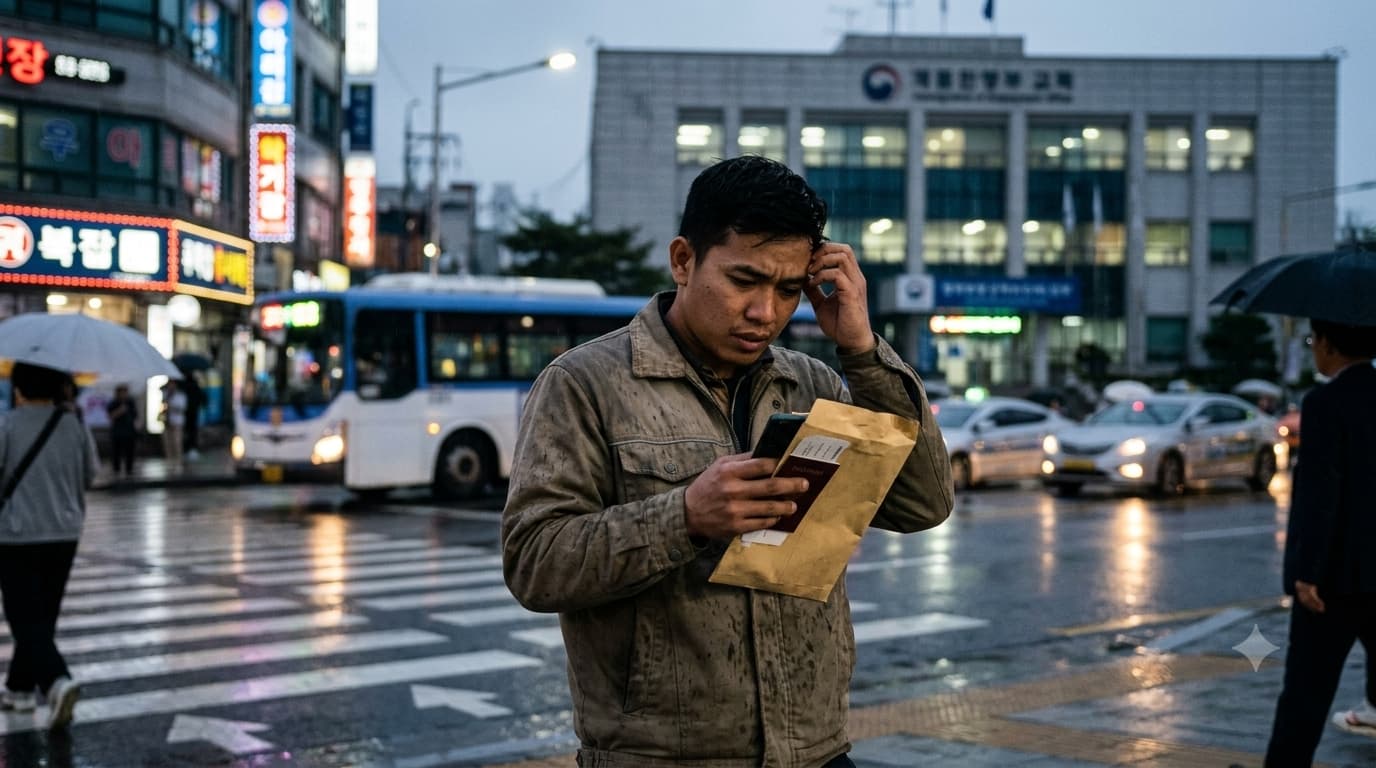

Navigating South Korea’s nationality laws can feel overwhelming, especially with strict documentation rules and step-by-step administrative procedures. Under the Korean Nationality Act, overseas Koreans who lost their original citizenship upon acquiring foreign naturalization can legally reinstate Korean nationality and retain their foreign passport under specific conditions—most notably for those returning to reside in Korea aged 65 or older.
This step-by-step guide by Pureum Law Office in Seoul covers how the Korean dual citizenship process works, moving from an F-4 Visa to dual citizenship, and why hiring a specialized dual citizenship lawyer in Korea ensures a seamless transition.
Who Qualifies for Multiple Nationality in Korea? Dual Citizenship Application
Under Article 9 and Article 10 of the Korean Nationality Act, South Korea enforces a general prohibition against holding dual citizenship, requiring individuals who acquire foreign nationality to forfeit their Korean citizenship. However, to encourage overseas talent, reverse brain drain, and support aging diaspora returning home, the Korean legal system provides specific exceptions that allow qualified individuals to retain both passports:
- Overseas Koreans Aged 65 or Older: Formerly Korean citizens who naturalized abroad can regain their Korean citizenship while retaining their foreign nationality. To qualify, applicants must enter South Korea with the intent to reside permanently, submit a Foreign Nationality Non-Exercise Vow within one year of reinstatement approval, and maintain an active Domestic Residence Card (거소증).
- Reinstatement via Special Contribution / Outstanding Talent: Individuals who have made extraordinary contributions to South Korea’s security, economy, or culture, as well as high-level professionals possessing specialized skills in technology, medicine, or science, can apply for dual status regardless of age.
- Adoptees & Naturalized Spouses: Foreign-adopted Korean children who acquired foreign citizenship abroad can reinstate their Korean nationality without renouncing their foreign status. Additionally, foreign spouses married to Korean nationals who meet residency and language proficiency criteria under the naturalization rules may also retain dual citizenship.
- Minor Children of Restored Citizens: Children under the age of legal majority who are included in their parents’ reinstatement application may acquire multiple nationality status under dependent naturalization provisions.
Step-by-Step Korean Dual Citizenship Process
[ Step 1: Report Nationality Loss ]
                   │
                   ▼
[ Step 2: Obtain F-4 Visa & Domestic Residence Card ]
                   │
                   ▼
[ Step 3: Apply for Nationality Reinstatement (Immigration Office) ]
                   │
                   ▼
[ Step 4: Oath Ceremony & Certificate of Reinstatement ]
                   │
                   ▼
[ Step 5: Foreign Nationality Non-Exercise Vow (Within 1 Year) ]
                   │
                   ▼
[ Step 6: Resident Registration (ID Card) & Passport Issuance ]
1) Loss of Korean Nationality Report (국적상실신고)
Before starting the F-4 to dual citizenship route, your immigration records must reflect that your Korean citizenship was relinquished when you acquired foreign passport status. This report can be filed at a Korean Embassy/Consulate abroad or at an immigration office inside Korea.~A~
2) Acquire F-4 Visa & Domestic Residence Card (거소증)
Applicants applying for multiple nationality in Korea based on the age-65 rule must establish permanent residence within South Korea. Obtaining an Overseas Korean (F-4) Visa along with a Domestic Residence Card (거소증) fulfills this physical presence requirement prior to filing for reinstatement.
3) Nationality Reinstatement Application (국적회복신고)
You must submit your reinstatement petition directly to the relevant immigration office with a dedicated nationality section in South Korea. Key required documents include:
- Application form for Nationality Reinstatement & Statement of Reinstatement.
- Original Foreign Passport and Domestic Residence Card (F-4).
- Certificate of Naturalization / Proof of Foreign Citizenship Acquisition.
- Family Relations Certificate (기본증명서 & 가족관계증명서) or Deregistered Family Register (제적등본) proving former Korean citizenship.
- Criminal Background Check / FBI Identity History Summary (apostilled/certified).
4) Approval & Oath Ceremony
Processing typically takes between 6 to 10 months. Once approved by the Ministry of Justice, you will be invited to an official Oath Ceremony where you receive your Certificate of Nationality Restoration.
5) Foreign Nationality Non-Exercise Vow (외국국적불행사서약)
Within one year of approval, eligible applicants (such as those aged 65+) must sign and submit a Foreign Nationality Non-Exercise Vow at the immigration office. This legally binds you to act strictly as a Korean citizen while physically located inside South Korea, allowing you to retain your foreign passport without renouncing it.
6) Resident Registration & Korean Passport
With the vow processed, you can register your Korean Residence ID card (주민등록증) at your local ward office (Gu-cheong) and apply for an official South Korean passport.
Key Mistakes to Avoid During Application
- Leaving Korea Mid-Process: Departures during the review period can cause delays or suspensions of your reinstatement review.
- Discrepancies in Name/Birthdate: Discrepancies between your foreign naturalization papers and original Korean family register (such as anglicized name changes) require court documentation or official declarations.
- Missing the 1-Year Vow Window: Failing to sign the non-exercise vow within 12 months of approval will revoke your Korean citizenship restoration.
Why Work with a Dual Citizenship Lawyer in Korea?
While the legal pathways exist, missing administrative steps or submitting mismatched foreign civil documents can result in rejections or extensive delays.
At Pureum Law Office (PLO) in Seoul, our immigration and nationality law specialists handle complex dual citizenship petitions from start to finish. We assist with:
- Verifying eligibility under the Korean Nationality Act.
- Preparing and filing nationality loss, F-4 residency, and reinstatement filings simultaneously.
- Resolving legal discrepancies in name changes and family registry documents.
Dual Citizenship Application FAQs
Can I retain my foreign passport when reinstating my Korean nationality?
Yes, provided you qualify under one of the legal exceptions in the Korean Nationality Act—such as being an overseas Korean aged 65 or older returning to reside in South Korea. You must file a Foreign Nationality Non-Exercise Vow within one year of reinstatement approval, legally committing to acting exclusively as a Korean citizen while in South Korea without renouncing your original foreign passport.
Do male overseas Koreans over 65 need to fulfill Korean military service to regain citizenship?
No. South Korea’s mandatory military service obligation ends when a male turns 38. Therefore, male applicants applying under the age-65 reinstatement rule are completely exempt from military service duties.
How long does the entire Korean dual citizenship application process take?
The full process typically takes between 6 to 10 months from the initial filing at the Ministry of Justice / Immigration Office. Processing times vary depending on applicant volume, document verification complexity, and whether any name or birthdate discrepancies require legal rectification.
Is holding an F-4 visa mandatory before applying for dual citizenship reinstatement?
Yes. For applicants pursuing dual nationality under the age-65 provision, establishing legal domestic residence inside South Korea is required. Holding an Overseas Korean (F-4) Visa along with a Domestic Residence Card (거소증) fulfills the physical residency prerequisite prior to submitting your reinstatement application.
What happens if my name on my foreign passport does not match my Korean family register?
Name discrepancies—such as taking an English name or taking a spouse’s surname upon foreign naturalization—are very common. You must provide official supporting evidence, such as a court order of name change, an apostilled naturalization certificate, or a formal legal declaration, to verify that both legal names belong to the same individual.
For expert assistance with your citizenship application, visit our specialized service page: 👉 Pureum Law Office – Korean Nationality Services

ATTORNEY | Founding Partner
Leveraging his vast experience and comprehensive knowledge, Simon has become an invaluable resource for foreigners facing a wide array of legal issues in Korea.